It all began with a garden teeming with flowers and a spacious apple orchard—beds of lilies, calla lilies, and gladioli, alongside apple trees. It was the 1970s, and my grandparents, América and Enrique, tended to it all.
This was also the place where my parents, Gelu and Viviana, ran a pottery workshop: lumps of clay, the kiln, the wheels, a corkboard pinned with firing schedules and glaze recipes, Julieta the cat sneaking in for a nap on the slab roller, custom orders, and craft fairs.
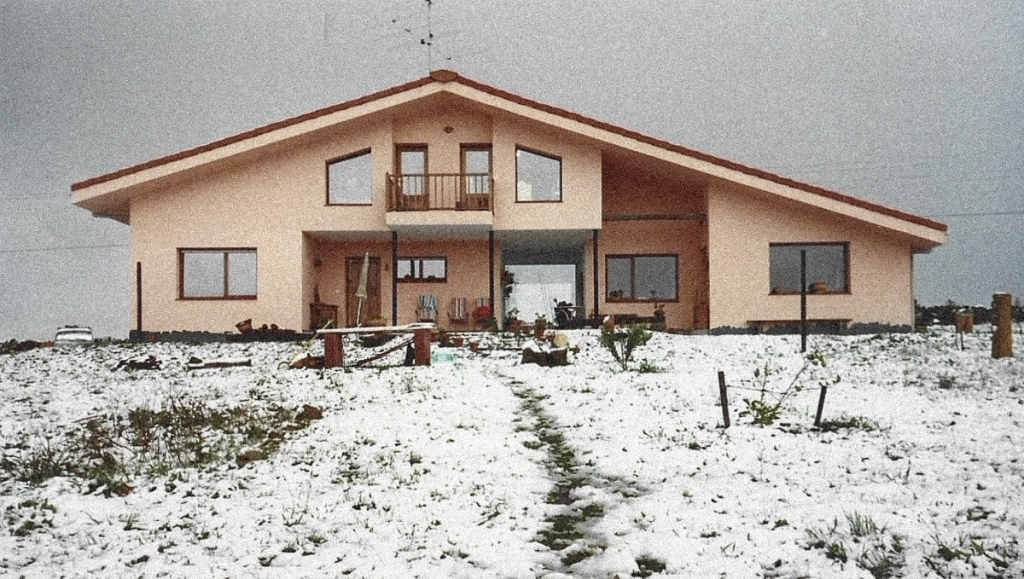
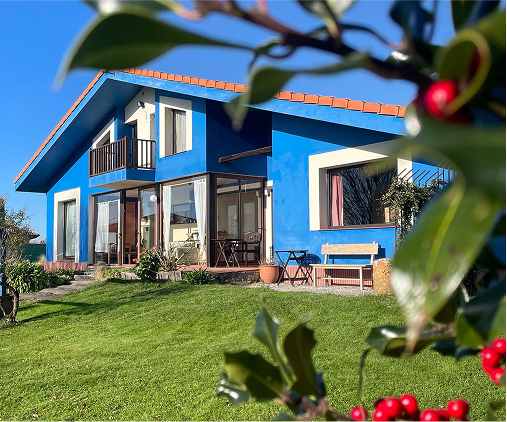
They built this house—the one that is blue today—and in 1991, they decided to embark on a journey into rural tourism here. They opened one of the region’s first rural guesthouses, welcoming guests eager to explore the local villages, forests, and craftsmanship. They nurtured these journeys and stays just as my grandparents had tended the orchard and garden: gradually and with great care.
A slow pace brings with it a responsibility toward our surroundings and, in a way, embodies the desire to find beauty in the domestic, the small, and the close-at-hand.
Currently
Since 2021, we—Aida and David—have been the ones to welcome you. That same year, the pottery workshop reopened its doors, reviving a craft that had long been part of this house.
Since then, we began to envision new ways of inhabiting this space and connecting it with the things we love: books, music, and conversation. Thus, in 2024, La Vespertina was born—a project that hosts creative residencies and cultural gatherings, allowing us to inhabit this familiar place with an open and curious perspective.
The Garden
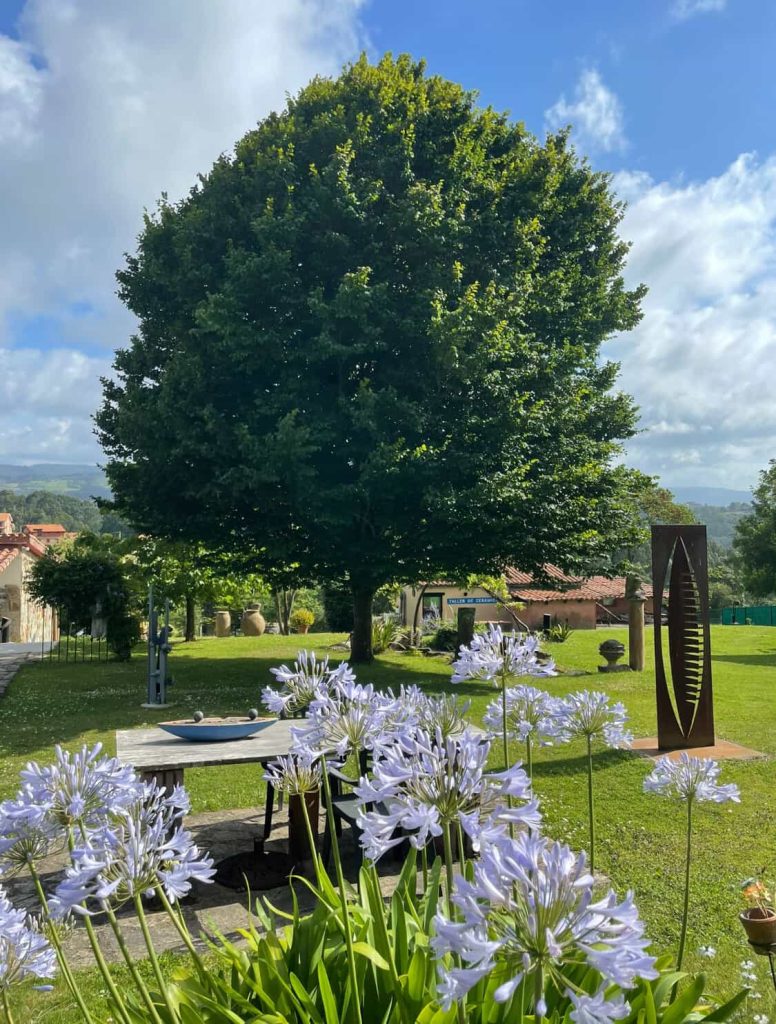
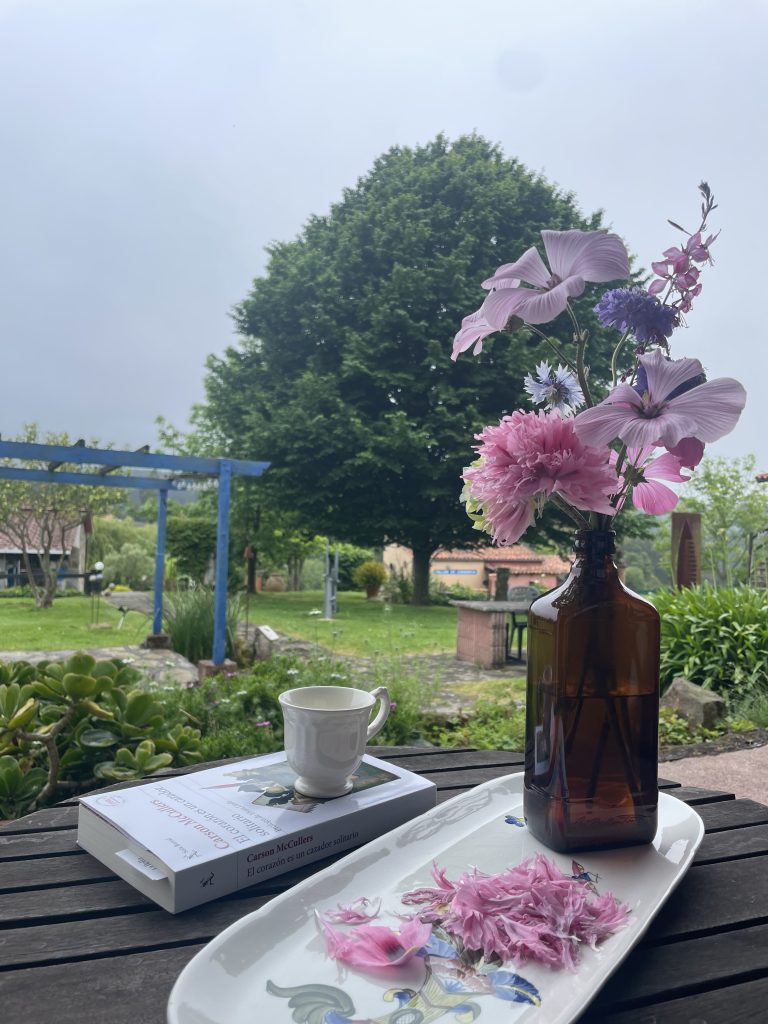
The hotel garden is a spacious, south-facing, light-filled, and open one-hectare estate, featuring various areas and secluded spots where one can sit and read, enjoy the silence, or simply immerse oneself in nature.
What was once an apple orchard is now home to a variety of native trees—such as hazel, oak, chestnut, and beech—which, over time, have been joined by others like maple, strawberry tree, jacaranda, and weeping willow.
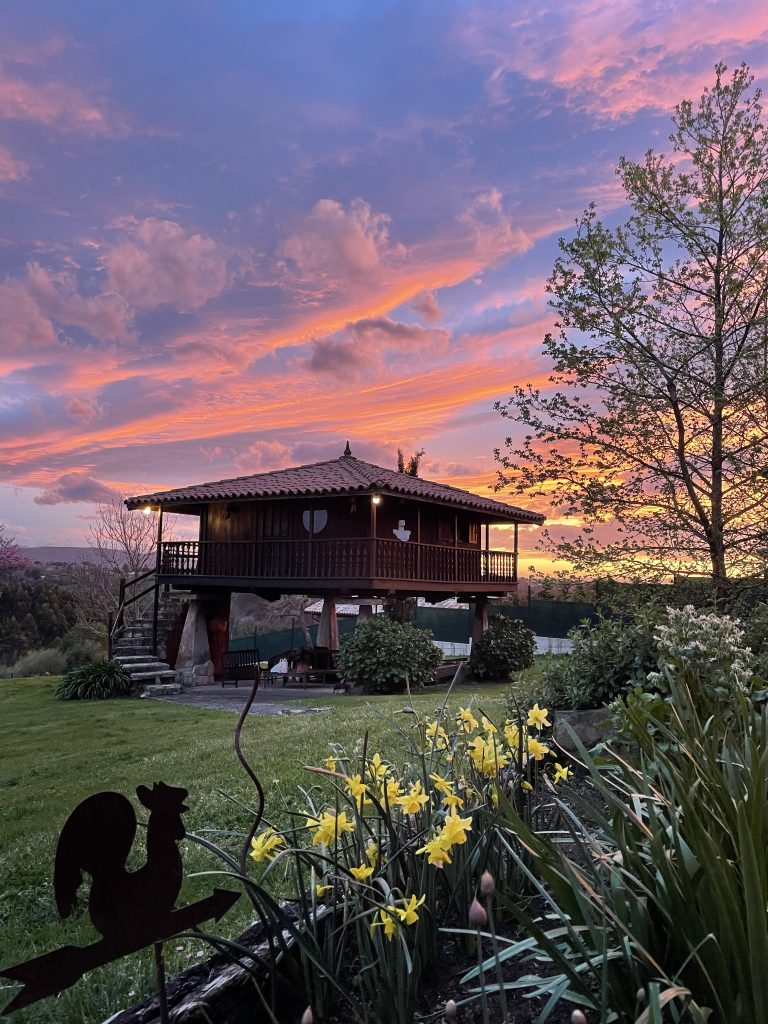
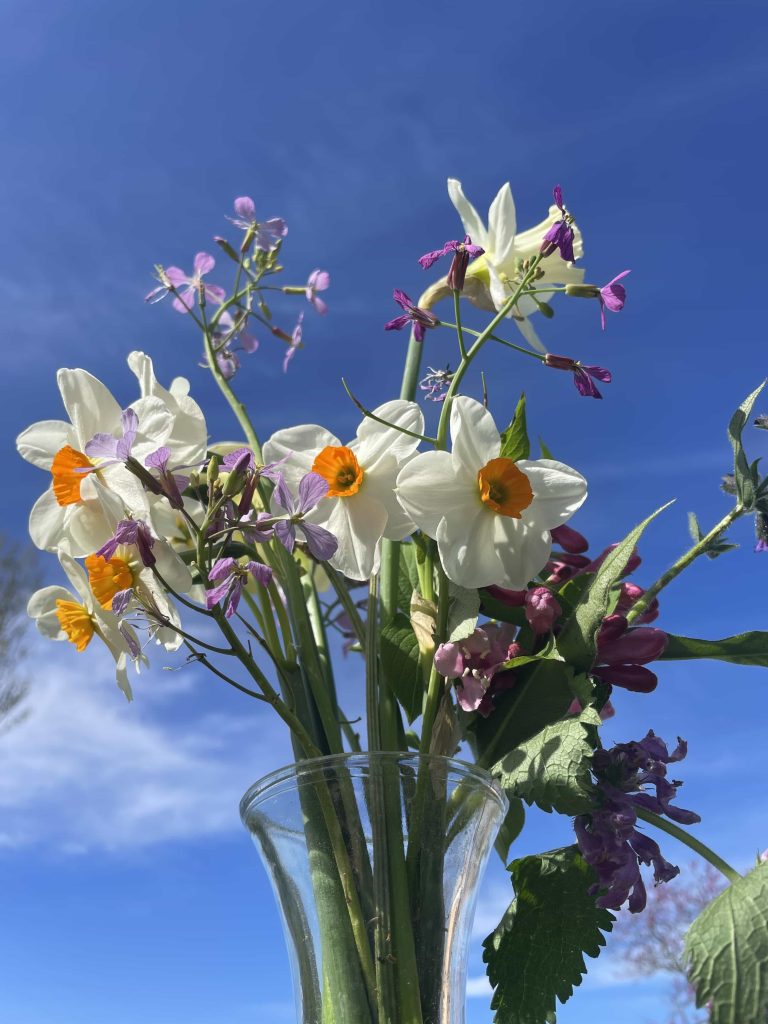
Each season creates its own unique setting. Winter brings yellow daffodils and calendulas, along with firewood stacked beneath the ‘hórreo’ (traditional granary). In August, hammocks sit in the shade of the hornbeam, flanked by gladioli and blooming belladonna.
It is not only plant life that inhabits the garden; sculptures are present too—ceramic pieces that blend in among the shrubs and, over time—as John Berger might say—become covered in moss, transforming into small animals.